

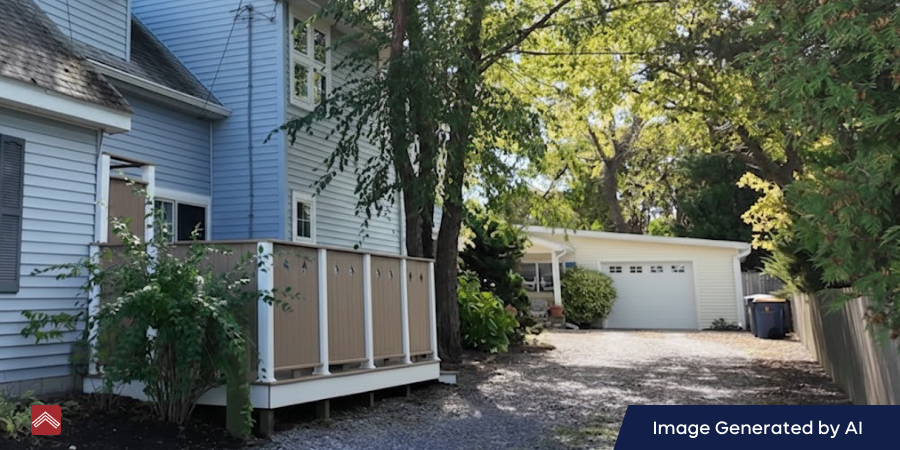
Accessory dwelling units have remained a closely followed topic in Lewes, particularly as the city continues to review how its housing regulations are working in practice.
In December 2025, the Lewes Planning Commission voted not to change the city’s existing accessory dwelling unit ordinance.
The decision reflects the commission’s view that the ordinance has not been in effect long enough to warrant revisions.
Overview of the ADU Ordinance
The change proposed for the Lewes’ accessory dwelling unit ordinance would have required property owners to live on-site if they built an ADU.
This residency requirement is a central element of the regulation and has been a major point of discussion since the ordinance was introduced.
At the time of the vote, the ordinance had been in effect for about 15 months.
The Planning Commission noted that this relatively short period makes it difficult to fully evaluate how well the rules are working or whether they are achieving their intended goals.
Therefore, the Lewes Planning Commission voted in December 2025 to keep the ordinance unchanged.
This vote means that property owners who build an accessory dwelling unit do not need to live on-site.
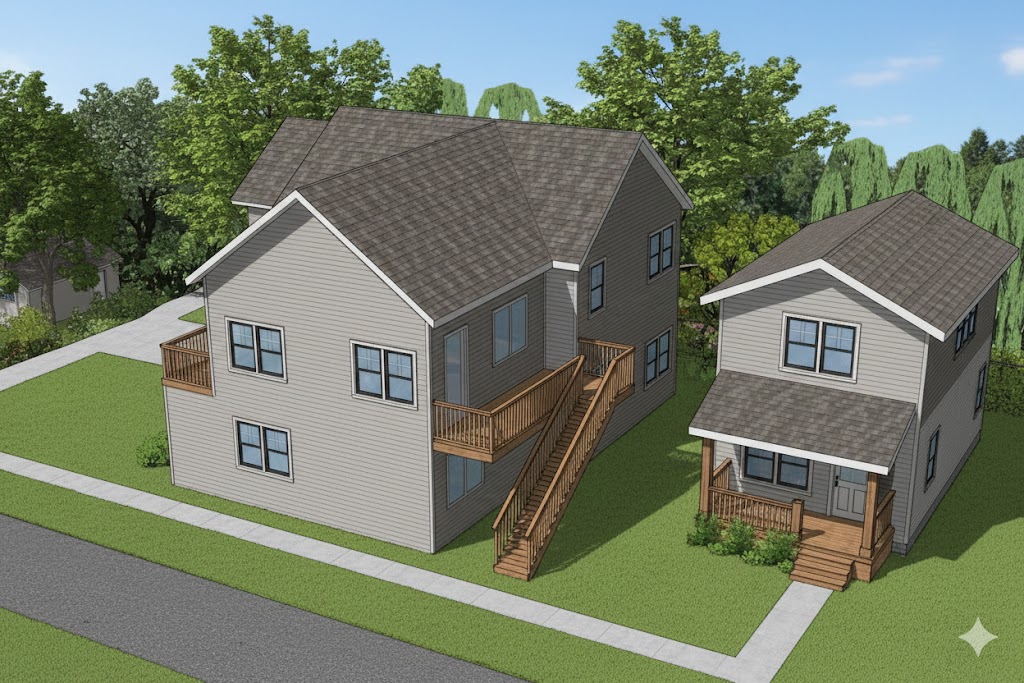
Image Generated by AI
Residency Requirements and Community Concerns
Under the Lewes ordinance, an accessory dwelling unit, or ADU, is defined as a secondary living space located on the same property as a primary residence.
This can include either an attached addition or a detached structure such as a converted garage or guesthouse.
The ordinance also includes an owner-occupancy requirement, meaning the property owner must reside on the property, either in the main home or in the ADU itself.
City officials approved the measure in October 2024 to formally permit ADUs and help expand access to more affordable housing options within Lewes.
Residency requirements were one of the most discussed aspects of the ADU ordinance during its development.
Debra Evalds, a member of the ADU ordinance subcommittee, said the issue received significant attention during more than a year of public meetings.
According to Evalds, many residents supported the inclusion of residency rules as a way to maintain a sense of control within neighborhoods.
Community members expressed concerns about how accessory dwelling units could affect the character of Lewes if not carefully regulated, even despite the ordinance also including requirements for occupancy permits and city inspections between tenants of the ADUs.
Some were concerned that eliminating the owner-occupancy rule could attract absentee investors who purchase properties and use both units primarily as short-term rental properties.
Image Generated by AI
Next Steps with Mayor and City Council
Following the Planning Commission’s decision, the commission will present this information to the Lewes Mayor and City Council.
While no changes are being proposed at this time, the presentation will ensure city leaders remain informed about the commission’s review and conclusions.
Any future amendments to the ADU ordinance would require additional discussion and review.
For now, the existing rules remain in effect, and no immediate changes are planned.
What This Means for Lewes Residents
For Lewes residents and property owners, the vote means that the city’s accessory dwelling unit ordinance remains in effect as currently written.
Accessory dwelling units are still permitted under the ordinance, and no regulatory changes were adopted during the December 2025 review.
The commission’s decision reflects a cautious, step-by-step approach as the city continues to observe how the ordinance functions over time and considers whether adjustments may be needed in the future.
Keep following the blog to stay up to date on housing policies, planning decisions, and community news in Coastal Delaware!
Source: Coast TV
Check out this article next