

The Cape May–Lewes Ferry has long been a vital link between Delaware and New Jersey, connecting residents, tourists, and businesses across the Delaware Bay.
Now, the Delaware River and Bay Authority (DRBA) is taking a significant step toward modernizing the ferry fleet with a new environmentally friendly vessel.
Approved in November 2025, the $78.6 million project promises both greener operations and continued support for the region’s economy.
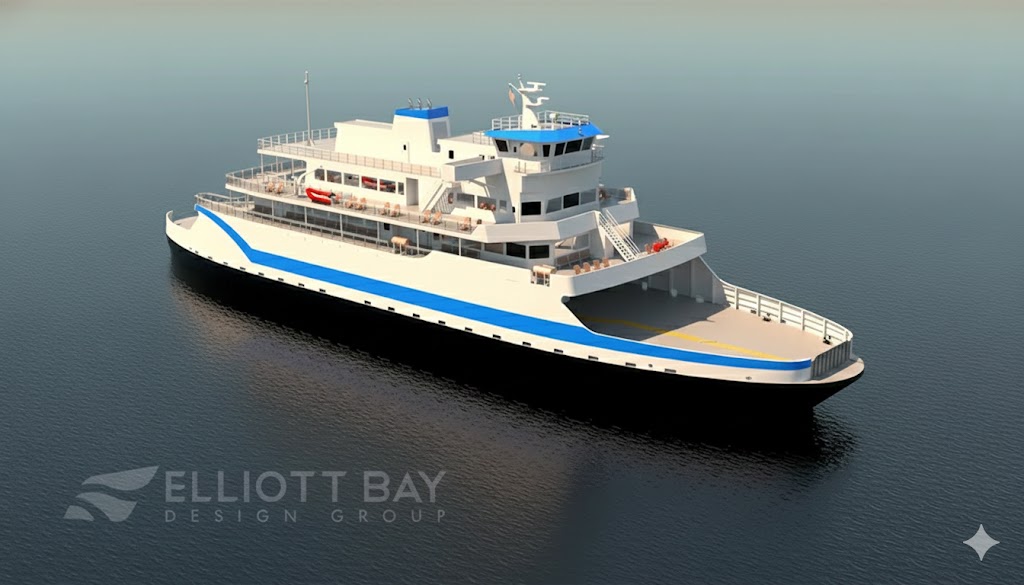
Image Generated by AI
A Green Upgrade for the Cape May–Lewes Ferry
The DRBA Commission unanimously approved a contract with SENESCO Marine LLC of North Kingstown, Rhode Island, to construct a diesel-hybrid ferry capable of carrying 75 cars and passengers.
This vessel is intended to replace the aging MV Cape Henlopen, which has been in service for over 40 years.
He emphasized the ferry’s role as a critical piece of regional infrastructure and highlighted the new hybrid vessel as a continuation of the ferry’s historic legacy.
The ferry’s design also allows for potential conversion to fully electric operation in the future, should advances in technology and charging infrastructure make that feasible.
In addition to environmental benefits, DRBA officials say the new hybrid ferry is expected to reduce long-term maintenance costs compared to the aging vessel it replaces.
Once the ferry enters service, summer of 2029, the authority plans to monitor its performance for approximately a year, with the goal of determining whether similar hybrid technology could be expanded to additional vessels across the fleet.
Environmental Benefits of the New Ferry
One of the main advantages of the hybrid ferry is its potential to dramatically reduce environmental impact.
DRBA officials report that the vessel will:
- Cut fuel use by an estimated 35%
- Operate with lower emissions while at sea
- Produce zero emissions when docked or in port
Projected annual reductions include:
- 2,025 tons of carbon dioxide
- 102.7 tons of nitrogen dioxide
- 1.51 tons of fine particulate matter
- 1.03 tons of hydrocarbons
- 5 tons of carbon monoxide
These improvements make the ferry a model for greener regional transportation and demonstrate a commitment to minimizing environmental impact while maintaining reliable service.
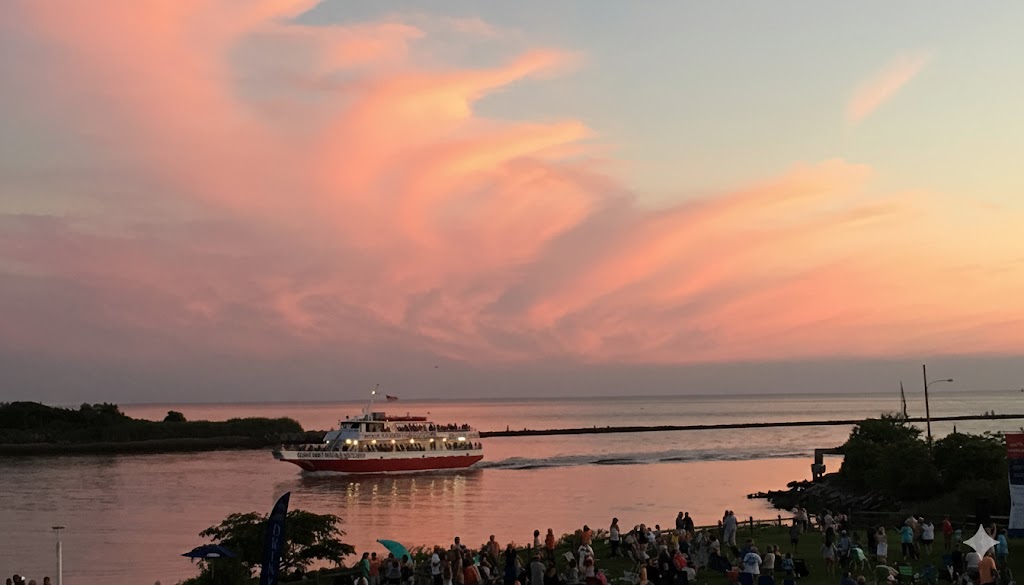
Image Generated by AI
Economic and Regional Significance
The Cape May–Lewes Ferry does more than connect two points across the bay—it serves as an economic engine for southern Delaware and New Jersey.
Heath Gehrke, DRBA’s director of ferry operations, noted that hundreds of thousands of passengers rely on the ferry every year to commute, visit family, or enjoy vacations.
The ferry system also supports over 4,000 jobs and generates hundreds of millions of dollars in economic activity annually.
By modernizing the fleet, the DRBA ensures that this vital transportation link continues to provide economic benefits for both states while offering passengers a more sustainable travel option.
Funding and Project Timeline
The $78.6 million project is partially supported by a $20 million grant from the U.S. Department of Transportation.
Following a 10-day review and consent period by the governors of Delaware and New Jersey, construction is expected to begin early this year, with completion targeted for summer 2029.
This investment marks a major milestone in the DRBA’s ongoing efforts to modernize its transportation infrastructure.
The authority, a bi-state agency established in 1962, operates not only the Cape May–Lewes Ferry but also the Delaware Memorial Bridge, the Forts Ferry Crossing, and five regional airports.
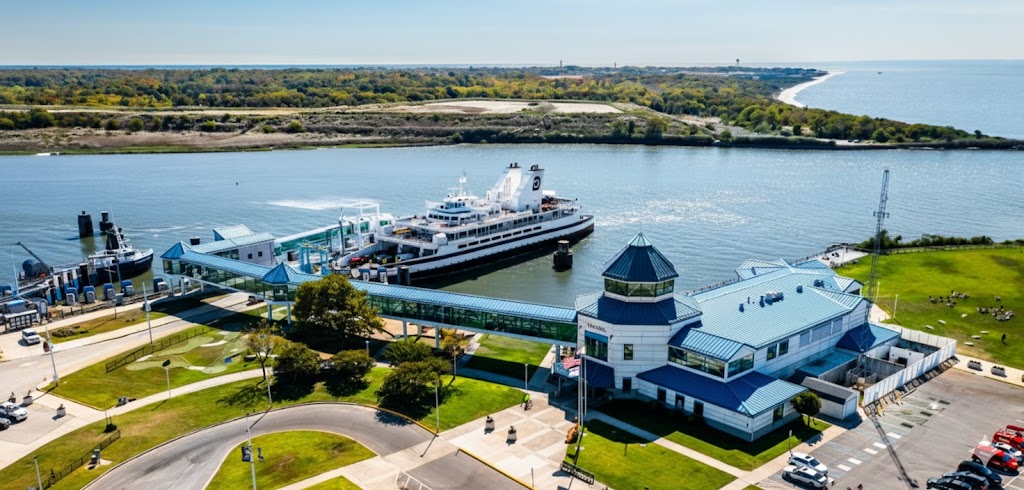
Image Generated by AI
Looking Ahead
Since beginning service on July 1st, 1964, the Cape May–Lewes Ferry has carried more than 50 million passengers for and on various trips, small events, & sightseeing opportunities.
With the introduction of the new hybrid ferry, the DRBA is positioning the system to continue serving future generations while reducing its environmental footprint.
The project combines a commitment to sustainability with the ferry’s long-standing tradition as a vital regional connector.
The new ferry represents more than a transportation upgrade, it’s an investment in the future of coastal Delaware and South Jersey, blending environmental responsibility with economic growth.
Interested in more updates about coastal Delaware developments and transportation projects? Follow our blog to stay informed on the latest news and initiatives shaping the region!
Source: Delaware Live, Delaware Public Media
Check out this article next