


A large open field in Lewes owned by the city is now on track to become a vibrant mix of forest and meadow space after city officials voted unanimously on November 3rd to apply for a reforestation grant from the Delaware Forest Service.
The parcel, located at the corner of New Road and Park Road, has long been viewed as an important piece of open space.
With city leaders, local residents, and conservation advocates aligned in their desire to keep the land natural, Lewes is positioning the site to support future resiliency and habitat protection through a significant multiyear planting effort.
The 20 acre property was deeded to the city in 2010 and sits between the Canary Creek and Pilottown Reserves subdivisions. It is zoned as open space and carries cultural, environmental, and historical value.
City leaders emphasized that the land should be preserved in its natural form and that the reforestation plan provides a long-lasting use that protects the landscape without introducing active recreation or development.
Residents also spoke in favor of keeping the land natural. Some expressed relief that the proposal does not include sports fields, lighting, or parking areas.
Others described the cultural importance of the parcel, including its connection to Indigenous history.
One resident shared that his grandfather excavated artifacts at the site that now reside in the Smithsonian, underscoring the land’s longstanding significance.
You can also check out the online public comments mentioned above here.

Image Generated by AI
What the Reforestation Project Includes
City staff intend to submit the grant application in the coming weeks. If the grant application is approved, the reforestation work would begin in spring 2026 and continue through 2028.
City staff explained that the project would combine new forested areas with managed meadowland in a layout that enhances habitat and stabilizes soils.
Key elements of the plan include:
- Up to 5,200 native trees planted around the perimeter of the site
- Approximately 40 percent of the property designated as meadow
- A mix of native grasses and plants designed to support pollinators and wildlife
The plan relies heavily on nature based solutions that help manage stormwater, reduce erosion, and increase biodiversity.
Members of the Parks and Recreation Commission noted that meadows are naturally resilient. They recover quickly after events such as flooding, high winds, fire exposure, or even saltwater impacts.
This makes the combination of trees and meadow especially valuable in a coastal environment where weather conditions can change rapidly.
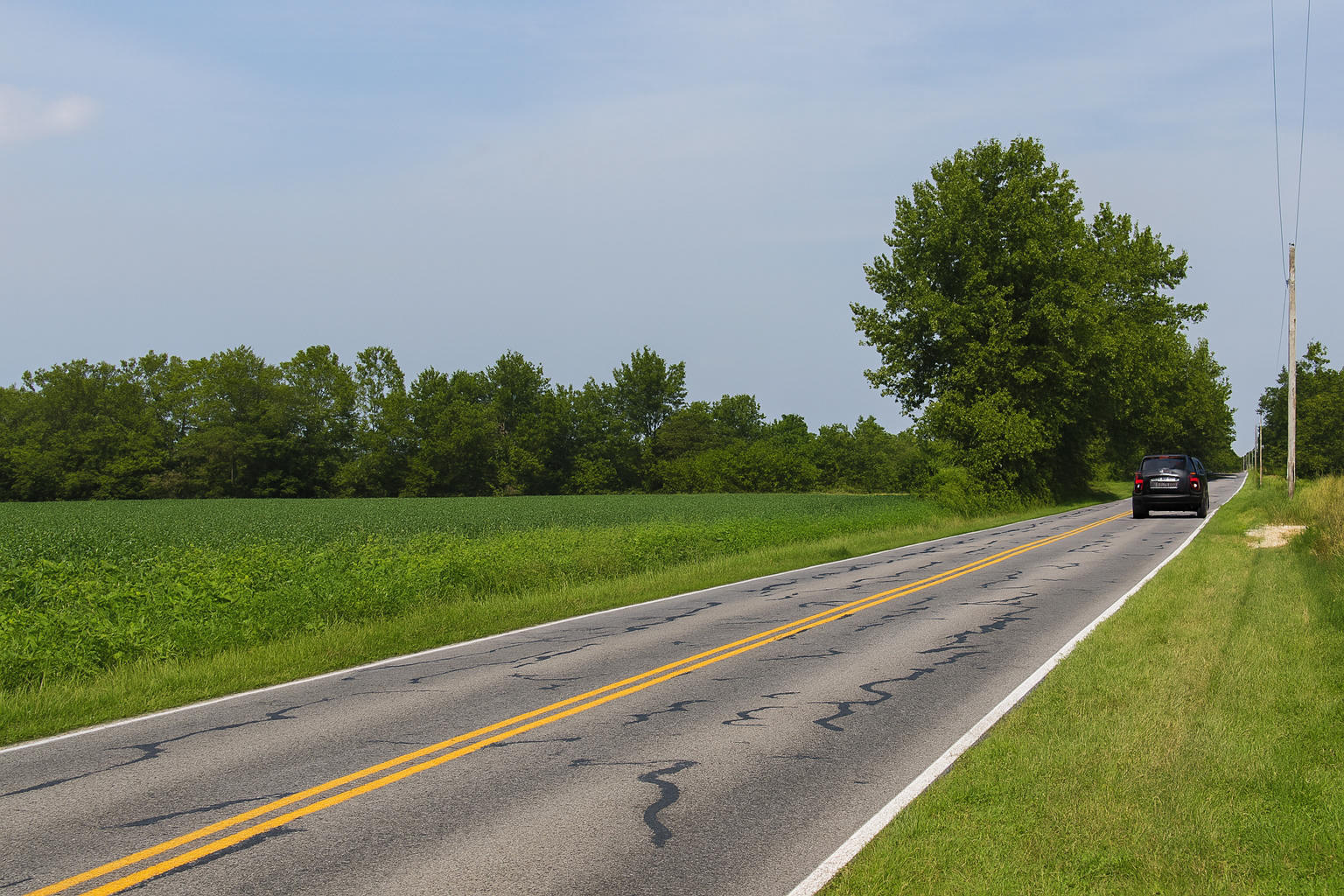
Image Generated by AI
How the Grant Funding Works
The Delaware Forest Service grant would cover 90 percent of the total project cost.
Lewes would contribute the remaining amount, which is estimated at around eight thousand dollars, but this grant is extremely important to executing this project and ultimately good for the town of Lewes.
The city expects to pay its share from its resiliency fund, a budget category created to support projects that strengthen long term environmental stability.
The city is responsible only for mowing the site during the early phases. After a short establishment period, the forest will develop naturally and require minimal ongoing effort.

Image Generated by AI
A Next Step in Lewes’ Resiliency Strategy
For Lewes, this project is part of a broader effort to use nature based tools to respond to environmental pressures.
By converting old farmland into a functioning ecosystem, the city is creating a buffer that supports both wildlife and residents while preparing the community for long term climate challenges.
Want more updates on environmental projects and development news in coastal Delaware? Follow our blog to stay informed and join the conversation!
Sources: Delaware Public Media, Delaware Live, New Road Corridor Master Plan from 2019, New Road field Forest Resiliency Fund
Check out this article next
