

The battle over the proposed Atlantic Fields shopping center near Route 24 has moved from the Sussex County Council chamber to the courtroom.
Developers behind the 73.5-acre project have filed a lawsuit in the Delaware Court of Chancery seeking to overturn the county’s unanimous denial of their rezoning application.
The case now places one of the most closely watched development proposals in Coastal Delaware under future judicial review, raising significant questions about zoning interpretation, infrastructure obligations, and long-term growth along the Route 24 corridor and in Sussex County as a whole.
From Council Rejection to Court Challenge
Following that decision, Mulberry Knoll Associates LLC and J.G. Townsend Jr. & Co. filed a verified suit on Feb. 12th in the Delaware Court of Chancery in order to attempt overturning the denial.
The lawsuit argues the council’s denial was arbitrary, capricious, and not supported by the record or applicable law.
The developers are asking the court to:
- Void the council’s Jan. 13th vote
- Issue a permanent injunction
- Order a new public hearing and vote for the project’s rezoning application
A spokesperson for Sussex County declined to comment, citing the county’s policy not to discuss matters of litigation.
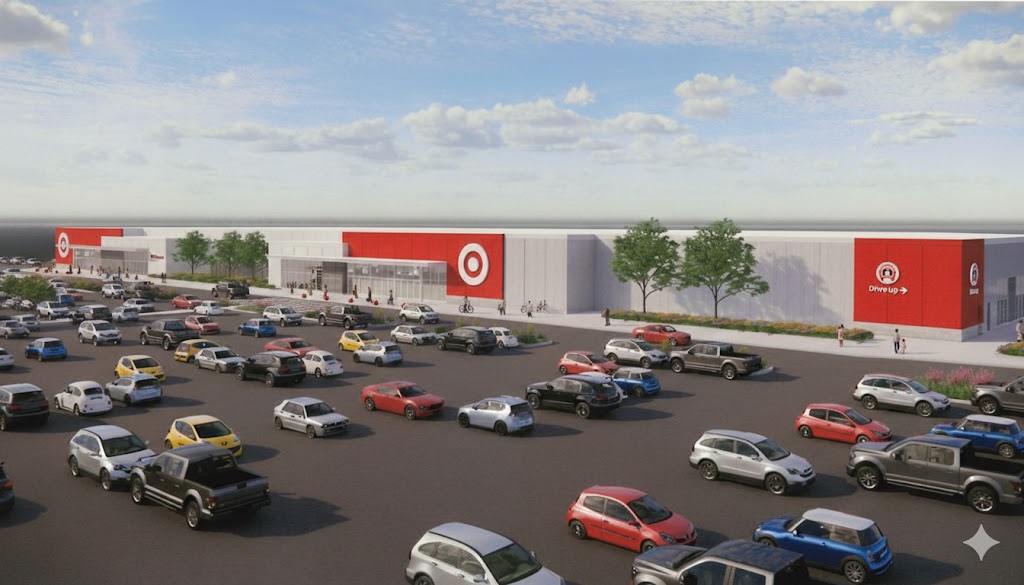
Image Generated by AI
What Atlantic Fields Proposed
The proposed Atlantic Fields development included 23 buildings totaling approximately 665,000 square feet of retail space.
According to the developers, major national retailers had committed or were in negotiations to anchor the project.
Retailers named in connection with the project potentially include:
- Costco
- Target
- Whole Foods
- Dick’s Sporting Goods
- Nordstrom Rack
- Ross
- Hobby Lobby
Developers estimated the total project cost at approximately $175 million, including buildings, parking, internal roads, pedestrian and bicycle infrastructure, and bus stops.
They also projected:
- Around 990 construction jobs
- Approximately 1,750 permanent retail positions
Supporters argue that the project would bring high-demand retailers closer to Sussex County residents, reducing the need to travel north for similar shopping options.
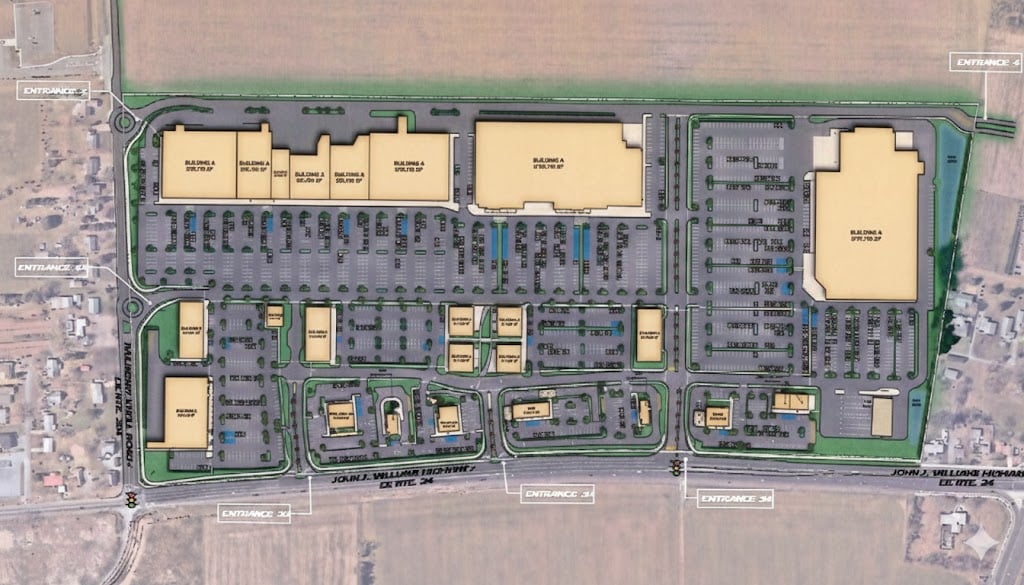
Image Generated by AI
Core Legal Arguments in the Lawsuit
The complaint centers on three primary objections to the council’s denial.
1. Residential Component Requirement
During the Jan. 13th meeting, Council member Jane Gruenebaum stated that the C4 planned commercial zoning classification required a residential component and that the proposal was not a mixed-use development.
Developers dispute that interpretation. They argue the county code states C-4 zoning may include residential use, but does not require it.
According to the complaint, the developers who filed the suit express that no planning staff, state agency reviewer, Planning and Zoning Commission member, or council member had previously raised the absence of housing as a fatal flaw prior to the vote and could have potentially resulted in the vote of denial due to this item.
2. Traffic and Infrastructure Concerns
Traffic congestion was a dominant theme at public hearings.
While Route 24 is four lanes wide in front of the property, it narrows to two lanes farther west, and residents expressed concern about regional bottlenecks.
The developers maintain they completed an extensive traffic impact study and met requirements set by the Delaware Department of Transportation.
They estimate:
- About $3 million in Transportation Improvement District payments
- Between $3 million and $4 million in additional road improvements
The lawsuit challenges the council’s reliance on infrastructure timing and interpretation of district agreements.
3. Consistency with the Comprehensive Plan
The property has been designated as a commercial area in Sussex County’s Comprehensive Plan since 2018.
Developers argue that state law requires zoning decisions to align with the county’s future land use map, which they claim carries the force of law.
Despite this designation, the property remains zoned AR 1, which does not permit large-scale retail uses.
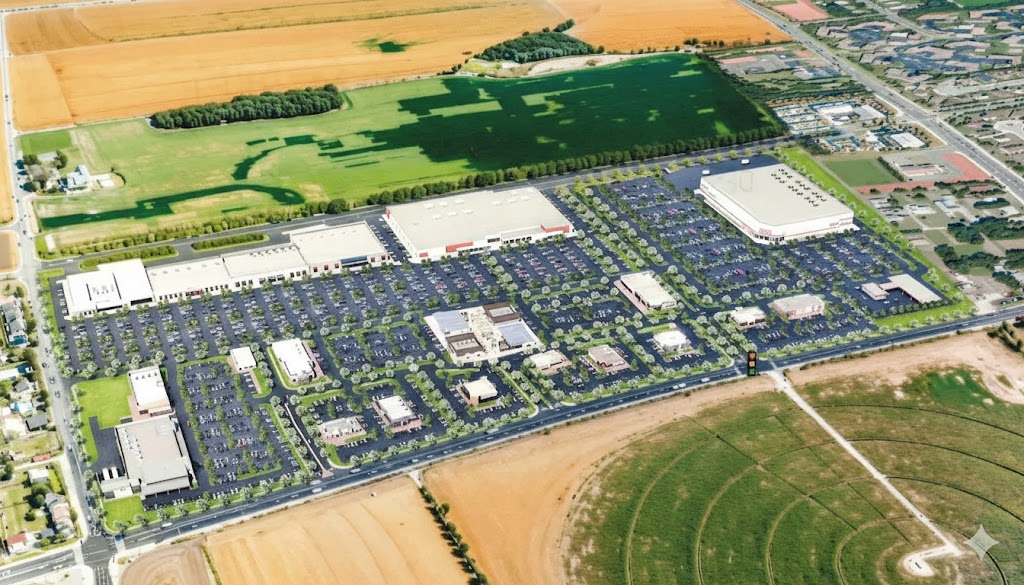
Image Generated by AI
Planning Commission Support vs. Council Denial
An initial review through the state’s Preliminary Land Use Service program reportedly raised no objections.
However, after public hearings that drew dozens of speakers and hundreds of written objections, Sussex County Council denied the application unanimously.
Councilman Steve McCarron cited infrastructure strain, stating that Sussex County could not continue to absorb development impacts without adequate state investment in roads.
What This Means for Coastal Development
The outcome of this lawsuit could have lasting implications for large-scale commercial projects in unincorporated Sussex County.
Key issues include:
- Interpretation of zoning code language
- Weight given to comprehensive plan designations
- Infrastructure capacity thresholds
- The balance between growth and community opposition
For residents and real estate stakeholders along Route 24 and near Route 1, the case may influence future retail expansion, traffic patterns, and property values.
Developers estimate the court process could take six to nine months. Until then, Atlantic Fields remains in legal limbo.
Stay connected with our blog for timely updates on development, zoning decisions, and real estate trends shaping Coastal Delaware!
Sources: Delaware Online, Coast TV, January 13th County Council Meeting
Check out this article next